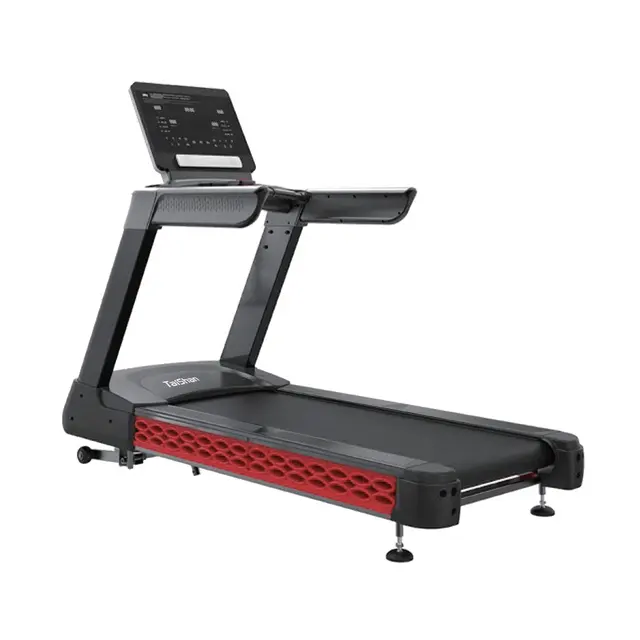
The most useful cardio machine is one that fits both your preferred activity and your home. A treadmill, exercise bike and rowing machine offer different experiences, so begin with the movement you enjoy rather than the longest feature list. Consider the people who will share the equipment, the time of day it will be used and the room around it. Published specifications help narrow a shortlist, but comfort and everyday controls deserve a direct check whenever a demonstration is available.
Start with the activity
For a treadmill, decide whether the intended sessions are mainly walking, running or a mixture. For a bike, identify the riding position and adjustment range you prefer. For a rower, consider the movement, entry and exit, seat travel and handle arrangement. Avoid choosing solely from a calorie display or a claim about which machine burns the most. Those readouts depend on assumptions and do not establish that a machine is the right match for your routine.
Check fit for every user
Treadmill comparisons should include the usable belt dimensions, specified speed and incline ranges, and the manufacturer's user limits. Bike comparisons should include saddle and handlebar adjustments, pedal compatibility and the method of getting on and off. For a rower, check rail travel, foot restraints, handle reach and the space needed through the whole stroke. Ask for the manufacturer's fit guidance rather than converting one general height range into a guarantee of comfort for everyone.
Measure operation and storage separately
An advertised folded dimension tells you where equipment may be stored, not where it can be used. Record the operating footprint and all required clearances from the manual. Check ceiling height in the highest operating configuration, including an elevated treadmill deck where relevant. Confirm whether a rower is approved for upright storage and how a folding mechanism locks. Before purchase, think through how you will move the equipment between its storage and working positions without blocking a doorway.
Understand noise and the room
Noise can come from the machine, the user and vibration transmitted into the building. A quiet drive mechanism does not guarantee that a downstairs room will be quiet during use. Ask for a demonstration under conditions similar to your intended session, and distinguish measured information from general marketing descriptions. Check flooring recommendations and ventilation. For powered equipment, obtain the electrical requirements and place it according to the manual rather than stretching cables across the room.
Review controls and subscriptions
Make sure basic adjustments are easy to reach and that emergency controls are clear. Ask which functions work without an account, subscription or internet connection. If guided sessions matter to you, check what is included and what requires recurring payment. A large touchscreen may be attractive, but it also creates another component to maintain. Evaluate the machine's basic operation independently of its digital features so that an optional service does not hide an inconvenient physical setup.
Compare maintenance and support
Obtain the service schedule for the exact model. Ask who handles repairs in your area, how replacement belts or other wear parts are ordered, and whether labor and transport are included in warranty coverage. Clarify the intended use category: home, light commercial or commercial. Frequency of use and warranty eligibility should match your actual setting. Keep the serial number, invoice and manual together from delivery onward; they are often needed when ordering the correct part.
What to send with your inquiry
- Preferred activity, expected users and approximate session pattern.
- Room measurements, storage needs and delivery access.
- Required adjustment range and any existing compatible accessories.
- Questions about standalone operation and optional subscriptions.
- A request for total delivery cost, assembly details and local service terms.
Shortlist by fit and routine first, then compare features and price. A machine that is convenient to start, adjust and store has a clearer role in your home than one selected mainly for its screen or advertised program count.
Have something helpful to share? Be the first to join the conversation.