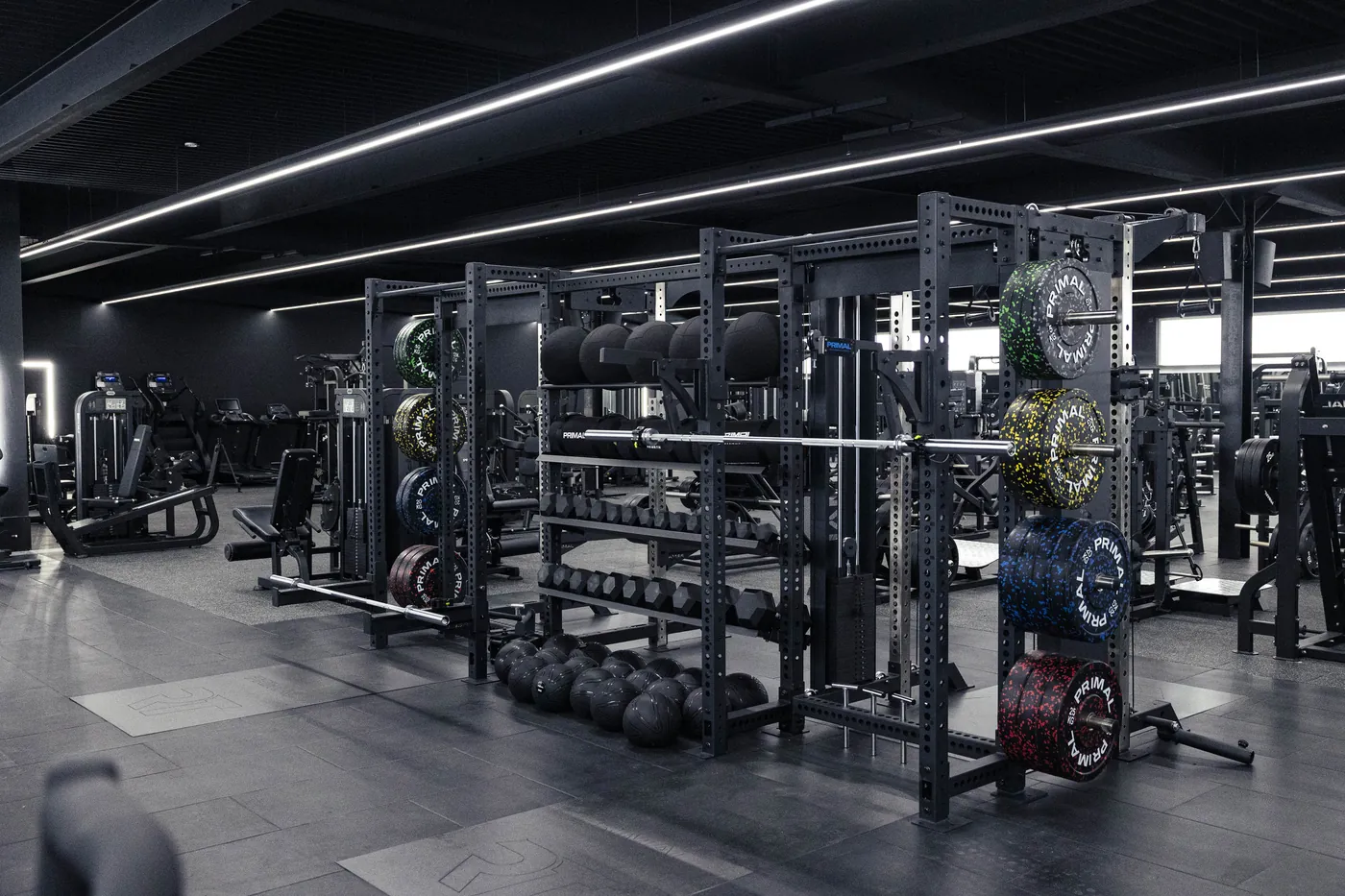
An equipment maintenance plan starts with an accurate inventory and the instructions for each model. A treadmill, cable station, bench and barbell do not share one universal cleaning or lubrication procedure. Gather the manuals before setting the schedule, identify who is responsible for each task and keep a clear record of work completed. The aim is to spot problems early and arrange the right response. A plan is useful when it can be followed consistently and tied to the actual equipment in the room.
Build a model-specific inventory
Record the brand, model, serial number, purchase date and location of each item. Store the manual, parts diagram, invoice and warranty terms together. Note which components are replaceable and how to identify them. For a machine with several configurations, record the actual installed options. This makes it easier to order the correct cable, pad or adjustment part later. It also prevents a maintenance instruction for a similar-looking model from being applied to the wrong equipment.
Use the manufacturer's schedule
Create a task list from the manual, separating checks before use, routine cleaning and scheduled service. Adjust the organizational process to the way the facility operates, while keeping required intervals and procedures intact. Assign a responsible person and a simple way to record completion. If a manufacturer does not provide enough detail, ask for clarification. Do not invent torque settings, lubrication intervals or replacement criteria from a general article or another brand's instructions.
Make visual checks easy to report
Users and staff should have a clear way to flag unusual movement, damaged upholstery, loose components, frayed cables, worn restraints or unexpected noises. Record the equipment identifier and the observation in plain language. When a defect could affect safe operation, take the item out of use and arrange an appropriate inspection. A warning label alone is not a repair. Avoid testing a suspected failure under additional load to see whether it becomes more obvious.
Clean without damaging components
Follow the approved cleaning method for frames, grips, pads, screens and flooring. Products suitable for one surface may be unsuitable for another. Avoid directing liquid into electrical components or mechanisms, and follow instructions on powering down equipment where relevant. Keep cleaning materials accessible and labeled. Explain the process to the people using them so that an improvised strong chemical or excessive water does not become the default response to ordinary sweat and dust.
Keep service work within the right scope
Some tasks can be performed by the owner according to the manual; others require a qualified technician or authorized service provider. Identify that boundary before a fault occurs. Use specified parts and methods, and retain records of the work. Do not modify guards, substitute improvised load-bearing parts or bypass a malfunctioning safety feature to keep a machine operating. If service is delayed, make the unavailable equipment clear in the facility's planning rather than treating continued use as a temporary solution.
Plan for wear parts and downtime
Ask suppliers which parts are normally replaced over time and how long obtaining them may take. For a commercial site, consider whether keeping selected approved spares is practical. Compare the cost of those spares with their storage needs and the likely effect of downtime. Check warranty coverage by component: a frame, cable and upholstered pad may have different terms. Keep proof of purchase and inspection records organized so that a support request can be made with the relevant information.
Use a compact maintenance record
- Equipment identifier, location and current operating status.
- Date, task performed and the person or provider responsible.
- Observations, photographs where useful and parts replaced.
- Manual or service instruction followed.
- Next required action, due date and confirmation that the item can return to use.
Review recurring faults when planning future purchases. Frequent adjustment problems, hard-to-obtain parts or awkward cleaning access are useful ownership evidence. They can inform the next equipment comparison more directly than the original feature list, provided the records distinguish observed problems from assumptions about their cause.
Have something helpful to share? Be the first to join the conversation.