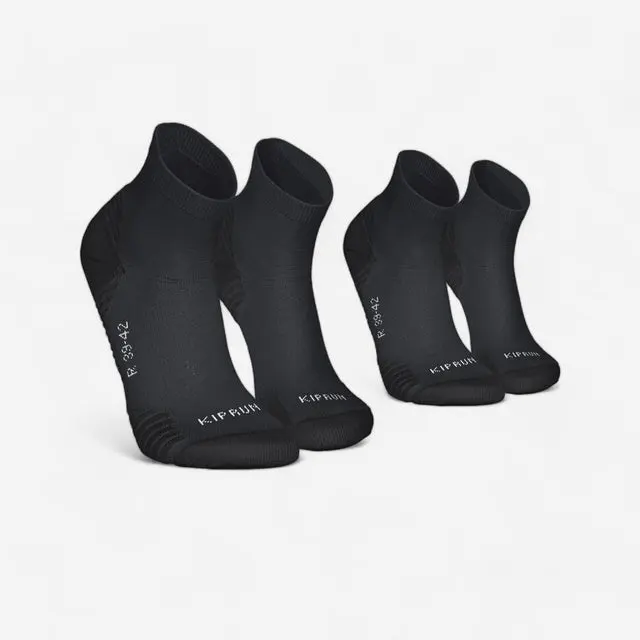
Good gym clothing should fit the intended activity, remain comfortable through movement and be practical to care for. A fabric percentage or a phrase such as performance stretch does not answer all of those questions. Begin with the training environment and the garment's role: a fitted base layer, loose shorts, a warm-up top or another specific use. Then compare construction and fit using an actual sample where possible. For a team or private-label order, this step is especially valuable because a small fit problem can affect many garments.
Define the movement and environment
Consider whether the garment will be used for lifting, running, studio classes or general activity, and whether the environment is warm, cool or variable. Look at where seams, waistbands, zips and pockets sit during the intended movements. A useful pocket during a walk may be awkward when lying on a bench. A top that feels comfortable while standing can pull across the shoulders when reaching overhead. Evaluate the garment in the situations it is meant to serve.
Read fabric information carefully
Request the fiber composition and care instructions for the exact item and color. Fabric weight, knit structure and finishing can change how garments feel even when the fiber percentages are similar. Treat broad moisture-management or compression claims as claims to investigate, not as a substitute for a sample. If a particular performance characteristic is essential, ask what evidence supports it and whether that evidence applies to the quoted fabric. Avoid assuming that tighter clothing guarantees a training or health benefit.
Check fit across a useful size range
Compare garment measurements with a clear size chart and identify whether the figures describe the body or the garment. For a shared order, test more than one size and include the intended range of users. Check waist retention, shoulder movement, sleeve position and the way the garment returns after stretching. For leggings or fitted shorts, assess coverage and opacity in the movements and lighting relevant to use. Keep the checks respectful and based on the wearer's own comfort.
Examine construction details
Inspect seam consistency, loose threads, pocket attachment, zipper operation and the inside surfaces that contact skin. Check the position and feel of labels. Stretch seams gently within the intended use and look for obvious distortion or damage. For printed or embroidered branding, inspect alignment and how the decoration affects the fabric. A smooth product photograph may hide these details, so ask for close-up sample images and a physical sample before approving a bulk production run.
Use a repeatable wash check
Follow the supplied care instructions and record how the sample looks and fits before and after washing. Compare dimensions, color transfer, surface appearance, seams and any applied decoration. A short sample check cannot establish the full life of a garment, but it can reveal obvious problems before a larger order. Keep an unwashed reference where practical. If care instructions are missing or inconsistent, resolve them with the supplier rather than improvising a process and assuming the result applies to every item.
Make private-label orders precise
Define the style, fabric, color reference, size range, measurement tolerances and branding placement in the order documentation. Agree which approved sample represents production. Ask how repeat orders are identified so that a later batch can be compared with the original. Request packaging and labeling details suited to the intended market, with any specific requirements checked by the responsible business. Obtain a complete quotation that separates samples, branding, packaging and delivery from the base garment price.
Questions for a clothing inquiry
- Intended activity, garment type and the required size range.
- Exact fabric composition, weight where available and care instructions.
- Garment measurements and the process for approving fit samples.
- Construction, branding placement and agreed sample checks.
- Minimum quantities, repeat-order consistency and complete delivery cost.
Select clothing by how the sample performs in its intended use and care routine. Clear specifications and consistent measurements make later comparisons more reliable than a collection chosen only by color or a marketing label.
Have something helpful to share? Be the first to join the conversation.